
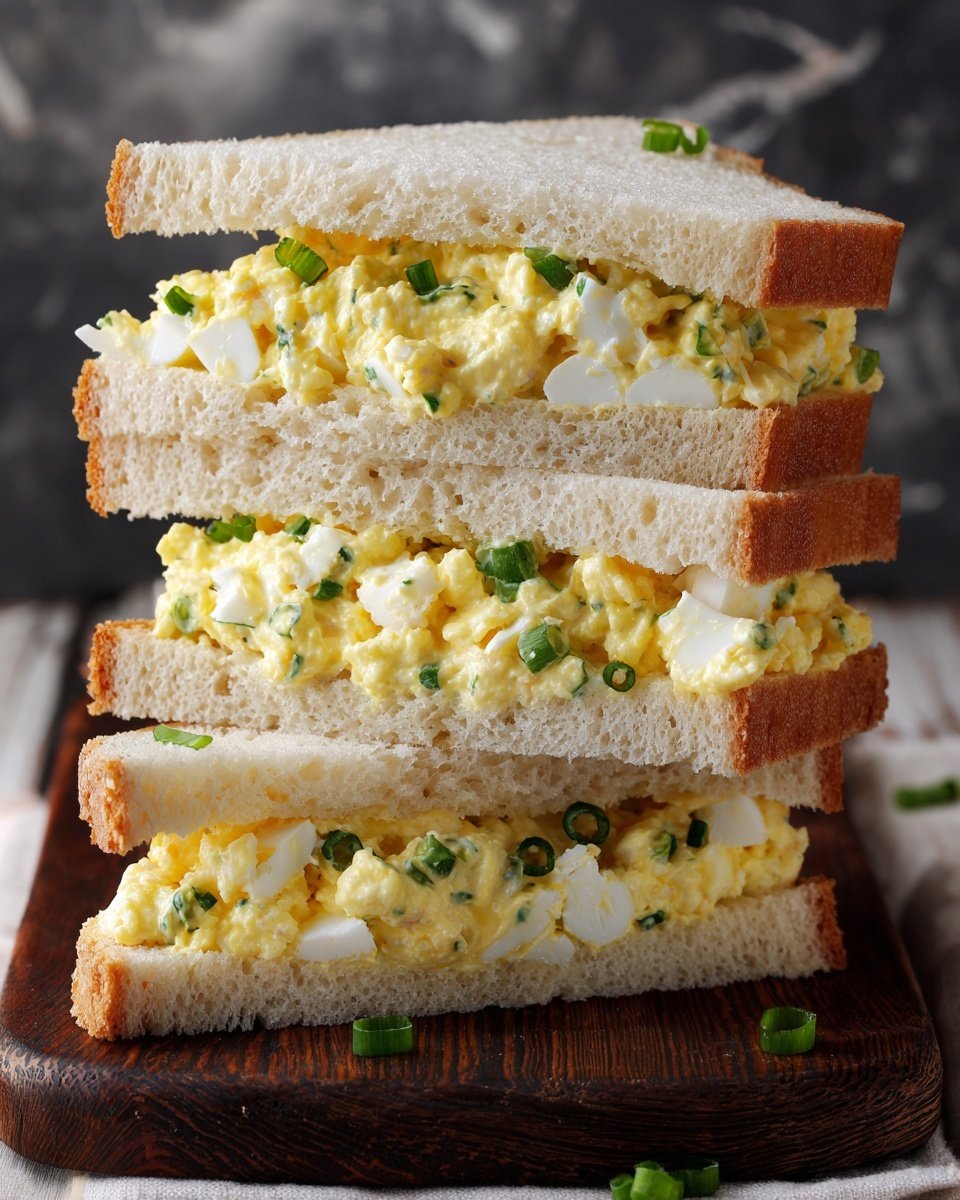
If you're looking for an irresistibly creamy, delicate, and comforting sandwich, you'll love this Japanese Egg Sandwich (Tamago Sando) Recipe. It's a beloved classic in Japan, famous for its pillowy soft milk bread and the luscious egg salad tucked inside. I find it perfect for breakfasts, lunchboxes, or a quick snack-you'll notice how elegantly simple ingredients come together to make something truly special.
Jump to:
Why You'll Make This on Repeat
This sandwich strikes a perfect balance between soft, tender textures and a rich, comforting flavor that never feels heavy. Whether you need a quick breakfast or a satisfying snack, it's a recipe you'll come back to again and again.
- Reliable Texture: The eggs are mashed to creamy perfection, neither too chunky nor completely smooth.
- Balanced, Cozy Flavor: Japanese mayonnaise adds umami depth and silky richness.
- Pantry-Friendly: Simple, staple ingredients you can easily keep on hand.
- Weeknight Simple: Takes about 25 minutes from start to finish, fuss-free.
Ingredient Highlights
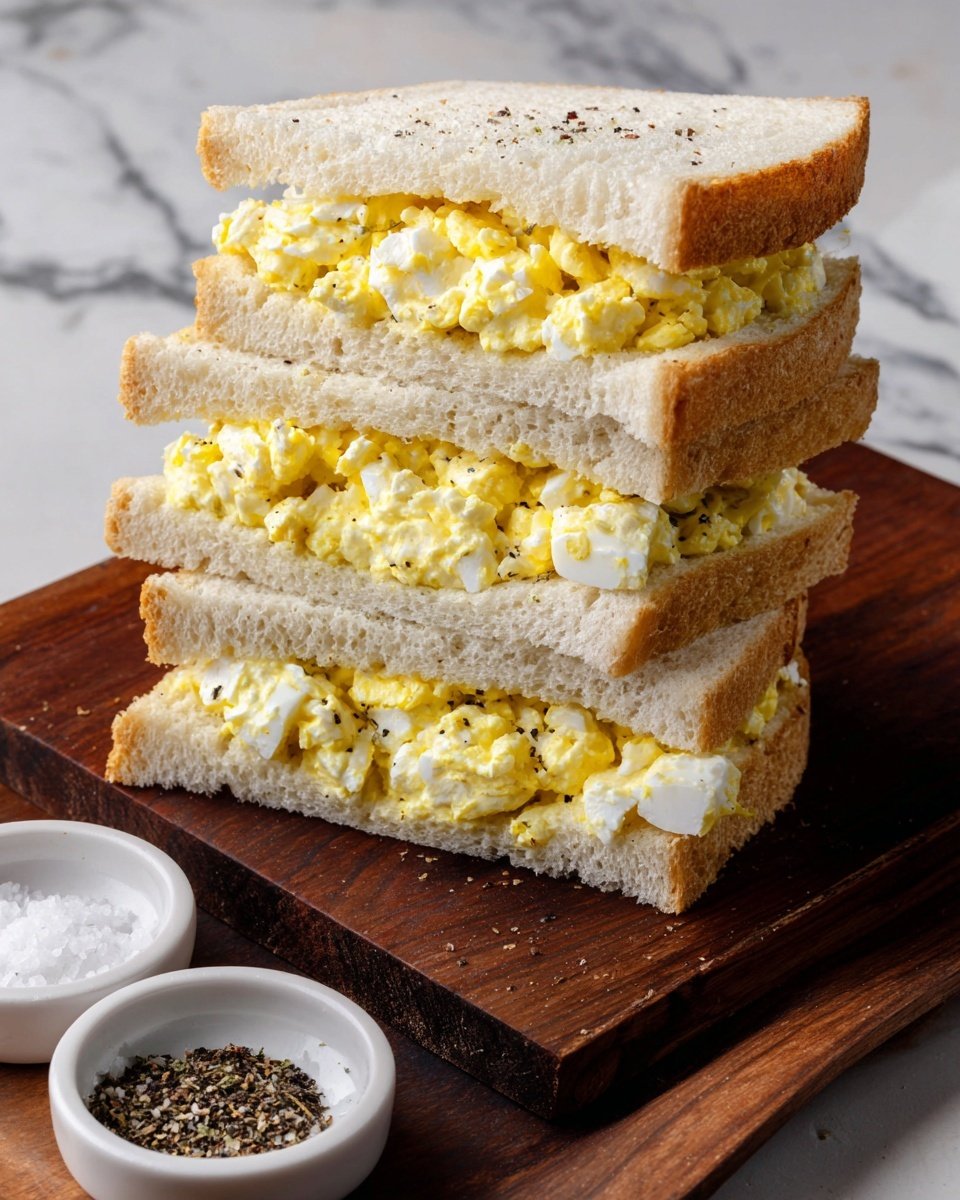
Choosing the right ingredients will take your Japanese Egg Sandwich (Tamago Sando) Recipe from good to irresistible. I always recommend using fresh eggs and authentic Japanese milk bread if you can find it, for that signature softness.
- Eggs: Fresh and organic if possible-the texture really depends on the eggs' quality.
- Japanese mayonnaise: It's creamier and slightly tangier than regular mayo, which balances the egg salad beautifully.
- Japanese milk bread (shokupan): Soft, slightly sweet, and pillowy-this bread is essential for the authentic texture.
- Butter: Use unsalted and softened for an even spread that adds a subtle richness.
Quick Note: Exact measurements are in the printable recipe card at the bottom.
Step-by-Step for Japanese Egg Sandwich (Tamago Sando) Recipe
Step 1 - Prep & Season
Start by boiling your eggs carefully: bring a pot of water to a gentle boil, then lower in six large eggs using a ladle. I like to time 7 minutes for medium soft boiled or 10 minutes for hard boiled eggs-this affects the texture of your egg salad significantly. Immediately after cooking, transfer the eggs to an ice bath to stop the cooking process and make peeling a breeze. Once peeled, mash the eggs coarsely with a fork. You want pieces smaller than a pea but not completely smooth to maintain a lovely bite. Season with sugar, salt, and pepper, which enhances the natural sweetness and rounds the flavors nicely.
Step 2 - Build Flavor
Add in four tablespoons of Japanese mayonnaise-this is where the egg salad truly comes alive. The mayo's silky texture and mild tanginess complement the eggs perfectly. If you're using the harder boiled eggs, a splash of milk helps loosen the mixture for creaminess without watering it down. Mix everything gently until combined. Taste as you go; adjust salt and pepper to suit your preference. This step is all about achieving that luscious, creamy consistency and balanced seasoning.
Step 3 - Finish for Best Texture
To assemble, spread softened butter evenly on four slices of Japanese milk bread-both top and bottom pieces. Then layer the egg salad evenly on two slices and close with the buttered slice, pressing down gently to help them stick together. Slice off the crusts for an authentic, neat finish that's soft on every bite. Cut each sandwich in half diagonally. You'll notice the bread remains pillowy soft thanks to the butter barrier, and the egg salad stays creamy, never dry or crumbly. Serve immediately for the best experience.
Kitchen Notes I Rely On
Over time, I've learned that the secret to a great Japanese Egg Sandwich (Tamago Sando) Recipe is in the egg texture and careful seasoning. Don't over-mash the eggs, or you'll lose that comforting bite. And trust me, the buttered bread step is crucial to keep everything just right.
- Doneness Cue: When peeling boiled eggs, the yolk should be moist but not runny for the best texture.
- Temperature Trick: Use eggs that are still slightly warm to mash easily and blend flavors.
- Make-Ahead Move: You can mix the egg salad a few hours ahead and refrigerate for flavors to meld.
- Skip This Pitfall: Avoid overloading the sandwich-too much filling can make it messy and hard to eat.
Serving & Sides
Finishing Touches
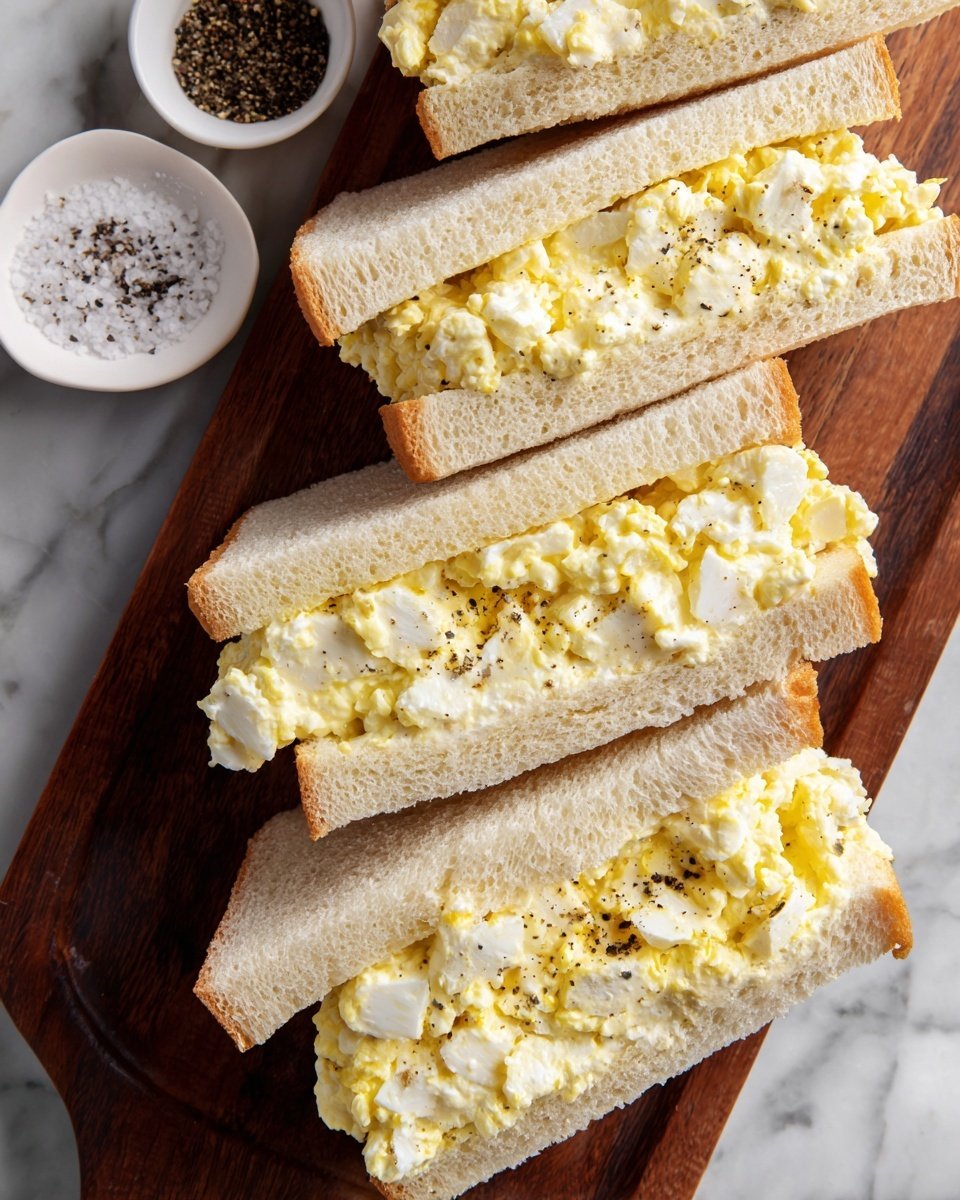
I love serving this sandwich simply wrapped in parchment paper or on a small plate with a few chiffonade chives on top for a touch of freshness and color. The soft butter on the bread adds richness without overpowering the creamy egg salad inside, creating a perfect harmony of flavors and textures.
Pairs Nicely With
A light green salad with sesame dressing, miso soup, or even a crisp pickled cucumber salad will balance the richness beautifully. I sometimes enjoy it alongside a cup of green tea or a refreshing cold brew coffee when I want a simple yet satisfying meal.
Simple Plating Upgrades
For a special occasion, consider trimming crusts into neat rectangles and serving mini sandwiches as finger foods. A sprinkle of togarashi or a few sesame seeds on top adds subtle visual interest and a mild spice kick without overshadowing the delicate egg flavors.
Make-Ahead & Storage
Storing Leftovers
Wrap your sandwiches tightly in plastic wrap or place them in an airtight container to avoid drying out. Stored this way, they keep well in the fridge for up to two days. Just know the bread can lose a bit of its pillowy softness over time, so enjoy sooner rather than later for the best texture.
Freezer Tips
This Japanese Egg Sandwich (Tamago Sando) Recipe doesn't freeze well due to the soft texture of the milk bread and the mayonnaise-based egg salad. Freezing tends to make the bread soggy and the filling watery. I usually recommend enjoying it fresh or within a couple of days refrigerated.
Reheating Japanese Egg Sandwich (Tamago Sando) Recipe Without Drying Out
If you need to reheat, I suggest a very gentle approach: wrap the sandwich in foil and warm it in a low oven (about 275°F/135°C) for 5-7 minutes. This keeps the bread soft and prevents the egg salad from drying out. Avoid microwaving directly unless you cover the sandwich with a damp paper towel and heat in short bursts, checking frequently to prevent rubberiness.
Frequently Asked Questions
Yes, regular mayonnaise works in a pinch, but Japanese mayo tends to be creamier and less tangy, lending a more authentic flavor to the sandwich.
Immediately placing eggs in an ice bath after boiling helps stop cooking and makes peeling much easier, reducing the risk of tearing the white.
Absolutely! Preparing the egg salad a day early allows the flavors to meld beautifully and saves you time on the day you want to serve.
If you can't find it, try to use the softest white sandwich bread available. Just keep in mind that it won't have that uniquely pillowy texture.
Final Thoughts
This Japanese Egg Sandwich (Tamago Sando) Recipe is one of those easy, elegant meals that feels like a small daily celebration. The balance of creamy, savory egg salad and soft, buttery bread makes for a simple pleasure that's endlessly satisfying. I hope you enjoy making it as much as I do-it's a timeless recipe that's always worth keeping in your repertoire.
PrintPrintable Recipe
Japanese Egg Sandwich (Tamago Sando) Recipe

A classic Japanese Egg Sandwich or Tamago Sando features creamy, soft-boiled egg salad made with Japanese mayonnaise and delicate milk bread. This sandwich is perfectly buttery and tender, ideal for a quick lunch or snack.
- Prep Time: 10 minutes
- Cook Time: 15 minutes
- Total Time: 25 minutes
- Yield: 2 sandwiches
- Category: Lunch
- Method: Stovetop
- Cuisine: Japanese
- Diet: Vegetarian
Ingredients
Egg Salad
- 6 large Pete and Gerry's Organic Eggs
- ¼ teaspoon sugar
- ¼ teaspoon salt
- ¼ teaspoon ground black pepper
- 1 to 2 teaspoon milk or plant milk (Optional)
- 4 tablespoons Japanese mayonnaise
Sandwich
- 4 slices Japanese milk bread
- 2 tablespoons unsalted butter, softened
- chives, sliced (for garnish) (Optional)
Instructions
- Prepare ice bath Prepare an ice bath in a large bowl to immediately cool the eggs after boiling and stop the cooking process.
- Boil eggs Bring a medium pot of water to a boil, ensuring the water level will cover the eggs. Carefully lower the eggs with a ladle into boiling water. Boil for 7 minutes for medium soft boiled eggs, then turn off the heat and let the eggs sit in the hot water for 1 minute. For hard boiled eggs, boil for 10 minutes. Immediately transfer the eggs to the ice bath and let sit for 2 minutes.
- Peel and mash eggs Remove eggs while still lukewarm from the ice bath and peel. Transfer peeled eggs to a large bowl and mash with a fork until broken into pieces smaller than a pea but not minced. Use a paring knife to help if needed.
- Mix egg salad Add sugar, salt, and black pepper to the mashed eggs. Stir in Japanese mayonnaise and optional milk (if using hard boiled eggs). Mix well and adjust seasoning with more salt, pepper or mayonnaise as desired.
- Prepare bread Spread ½ tablespoon of softened unsalted butter evenly onto one side of each slice of Japanese milk bread.
- Assemble sandwich Spread the egg salad evenly over the buttered side of one slice of bread. Top with the second slice, buttered side down. Gently press the sandwich to compact it, then slice off the crusts for a neat finish. Repeat to make the second sandwich.
- Garnish and serve Optionally garnish sandwiches with sliced chives. Cut sandwiches in half and serve immediately for best texture and flavor.
- Store leftovers Wrap each sandwich tightly in plastic wrap and refrigerate for up to 2 days to maintain freshness.
Notes
- Use fresh eggs for the best taste and easier peeling.
- Adjust boiling time depending on whether you want soft or hard boiled eggs.
- Japanese mayonnaise adds a slightly sweet tang; substitute with regular mayo if unavailable but expect a flavor difference.
- Removing crusts makes the sandwich more traditional and soft, but can be skipped if preferred.
- Milk or plant milk in the egg salad makes it creamier, especially with hard boiled eggs.
- Serving immediately ensures the bread stays soft and not soggy.




Leave a Reply